Fantasy Mother Nature

0 Shares
0
0
0

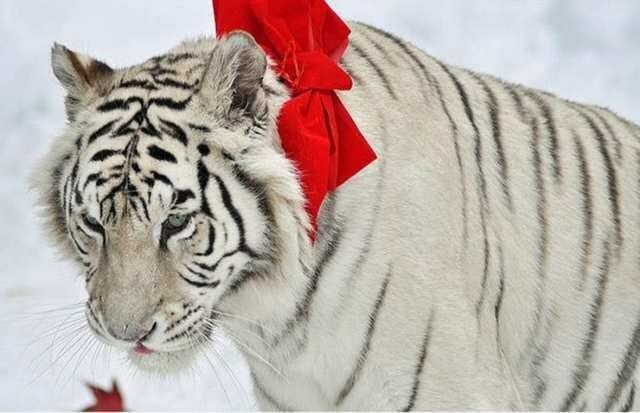
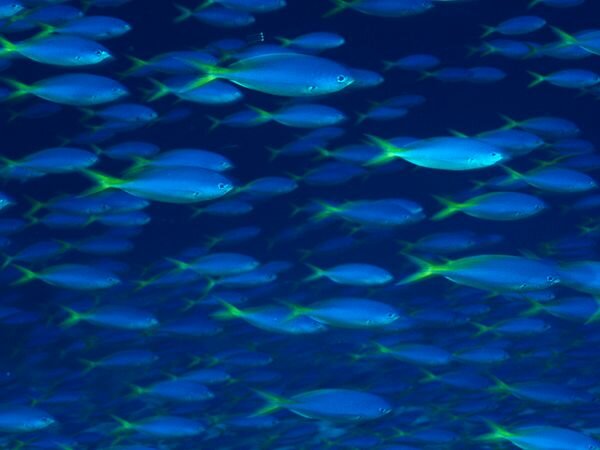
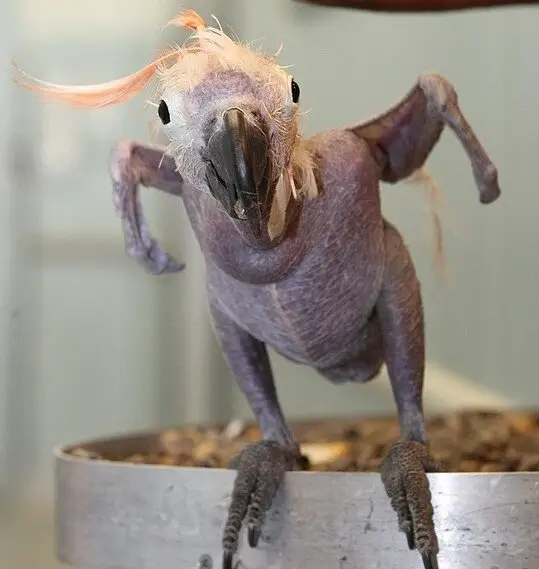
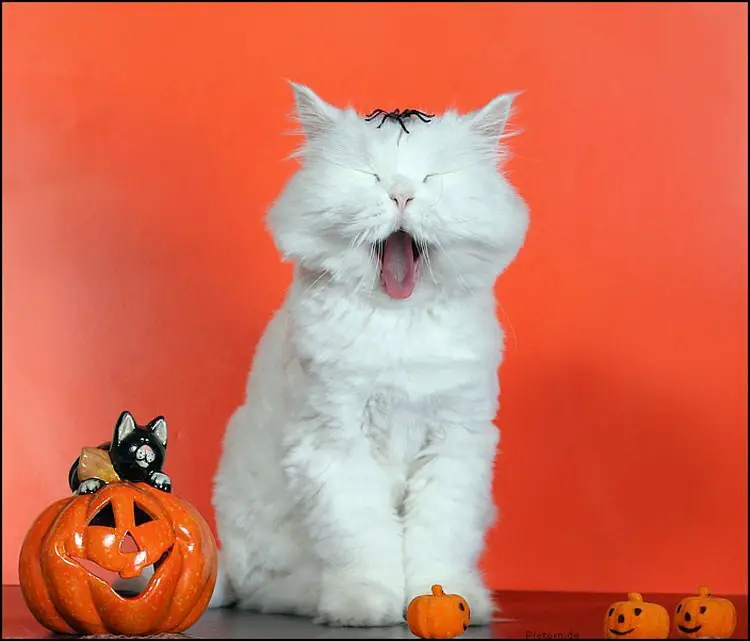
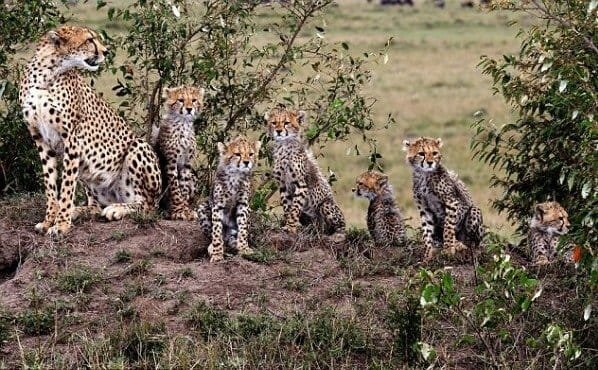
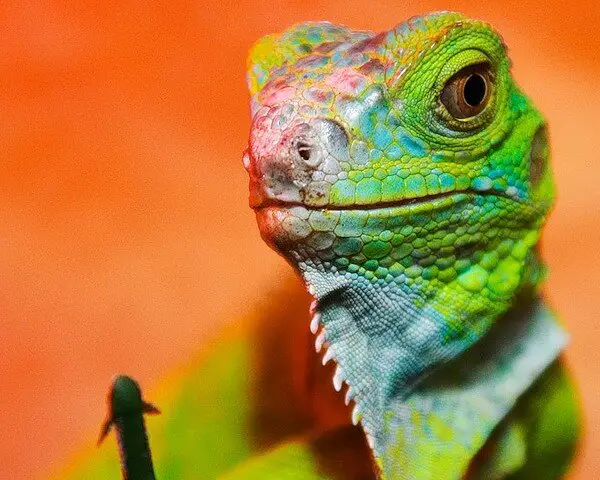
What forms do not only exist on Earth! ! Look at the small particle of that diversity – what a fantasy in our Mother Nature! Animals are a major group of multicellular, eukaryotic organisms of the kingdom Animalia or Metazoa. Their body plan eventually becomes fixed as they develop, although some undergo a process of metamorphosis later on in their life. Most animals are motile, meaning they can move spontaneously and independently. All animals are also heterotrophs, meaning they must ingest other organisms or their products for sustenance. Most known animal phyla appeared in the fossil record as marine species during the Cambrian explosion, about 542 million years ago.

0 Shares
You May Also Like

Animals Against The Heat

Even the people that hard to find some way of protecting and cooling the heat this summer. How do animals exposed to high temperatures to meet? Some animals have a natural cooling system such as panting in dogs. A second way much prettier and sweeter is ... Ice cream.

Animal Heat

As long as people flee from the heat under the air conditioning and sea animals in the zoo has no choice how to do the same in the basins, placed in their cages, and with the help of fruit ice, fruit.

Christmas Feast Of Monkeys And Lemurs

Check out these great photos from the zoo during feeding of certain animal species. In this case, monkeys and lemurs. Time events of this extraordinary feast as Christmas and New Year holidays.

Alaskan Malamute Cute Puppies

The Alaskan Malamute is a generally large, wolf-like breed of domestic dog originally bred for use as an Alaskan sled dog. They are sometimes mistaken for a Siberian Husky, but in fact are quite different in many ways. Malamutes have a very quiet temperament and are often loyal to their owners.

101 Puppy

Treat for lovers of dogs .. We have chosen just for you, a collection of beautiful pictures of puppies from some of the breeds of dog ...

What A Great Beast

Iguana is a genus of lizard native to tropical areas of Central and South America and the Caribbean. The genus was first described by Austrian naturalist Josephus Nicolaus Laurenti in his book Specimen Medicum, Exhibens Synopsin Reptilium Emendatam cum Experimentis circa Venena in 1768.