Cats, Cats… All Those Cats

0 Shares
0
0
0

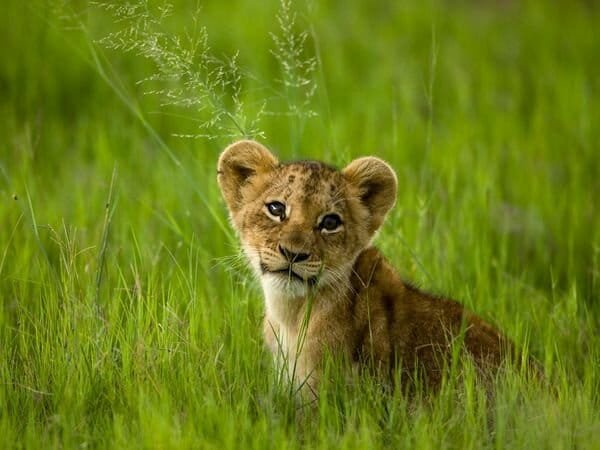
The lion  is one of the four big cats in the genus Panthera, and a member of the family Felidae. With some males exceeding 250 kg (550 lb) in weight, it is the second-largest living cat after the tiger. Wild lions currently exist in Sub-Saharan Africa and in Asia with a critically endangered remnant population in Gir Forest National Park in India, having disappeared from North Africa and Southwest Asia in historic times. Until the late Pleistocene, about 10,000 years ago, the lion was the most widespread large land mammal after humans. They were found in most of Africa, across Eurasia from western Europe to India, and in the Americas from the Yukon to Peru

0 Shares
You May Also Like

Dance Of Wild Horses

The wild horse is a species of the genus Equus, which includes as subspecies the domesticated horse as well as the undomesticated Tarpan and Przewalski's Horse. The Tarpan became extinct in the 19th century, and Przewalski's Horse was saved from the brink of extinction and reintroduced successfully to the wild.

Sub-Zero Predators

Predators, the diet is ranked by natural scientists were free to be said one of the most successful creatures on the planet.

Matrix Cat

The cat, also known as the domestic cat or housecat to distinguish it from other felines and felids, is a small domesticated carnivorous mammal that is valued by humans for its companionship and ability to hunt vermin and household pests.

Great Hunters Of The Animal Kingdom … Leopard

The leopard, is a member of the Felidae family and the smallest of the four "big cats" in the genus Panthera, the other three being the tiger, lion and jaguar. Once distributed across eastern and southern Asia and Africa, from Siberia to South Africa, the leopard's range of distribution has decreased radically because of hunting and loss of habitat.

Another Turtle With Two Heads?!

Is this yet another miracle of nature or the result of systematic destruction of the planet Earth? You can evaluate yourself. It is still unfortunately the latter. These disorders are more frequent and occur not only in animals or people we are not spared from this.