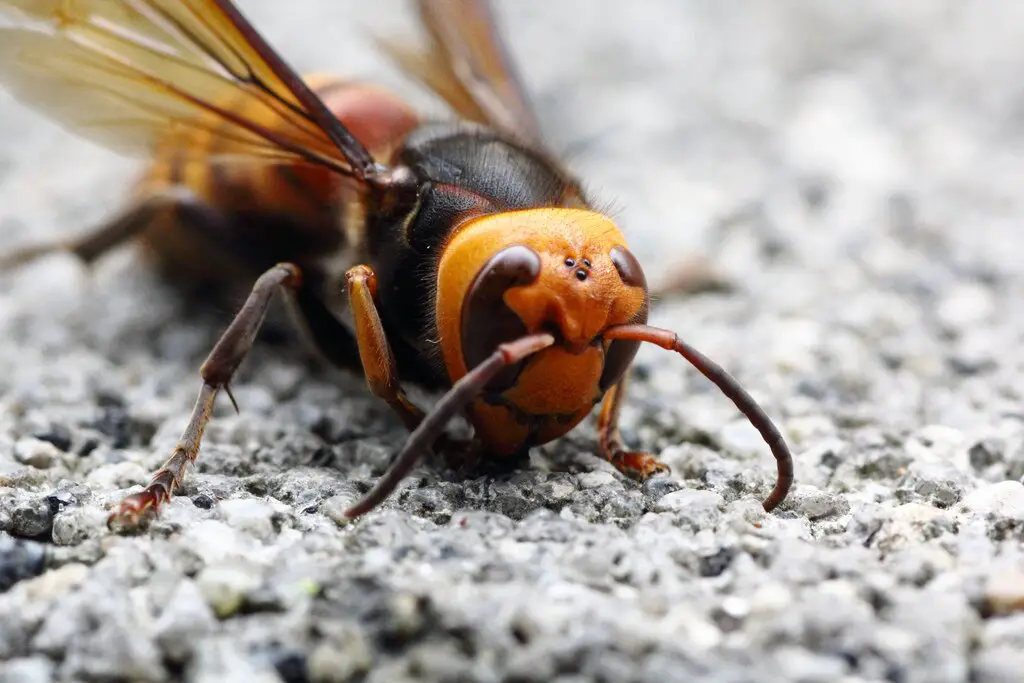
 Let’s start this off with a little insect – well, not that little. The Japanese Giant Hornet is about the size of your thumb and packs a quarter inch stinger and kills about 40 people a year! National Geographic calls it “Hornets From Hell” and describes them as “A small but highly efficient killing machine”

Weighing as much as 8,000 pounds and able to run at speeds of 20 miles per hour – these guys are no light-weights. In Africa, Hippos account for more human fatalities then any other large animals. These portly fellows outrank Lions and all the other big cats when it comes to chomping on humans.

Moving to the sea, or more likely beaches – the box jellyfish inflicts a massively painful and potentially-times deadly sting. It has up to 60 tentacles, each up to 15 feet long and all of them packing a lethal punch. While most people survive an encounter with one of these, the pain is excruciating and can stop a person’s heart or paralyze them causing drowning. Death reports from these hover at around 100 per year.
 While it looks like a cow, the African Cape buffalo is sometimes called “black death” and is one of the most dangerous animals on the continent. Weighing over 1,000 pounds and being very aggressive and unpredictable the herd members are quick to defend each other from any perceived threats and kill over 200 people a year.
 An unwelcome immigrant to the US, Fire Ants have caused about 80 deaths in the US but cost about $5 billion annually in damage repair, medical treatment and pest control. Fire ants can sting repeatedly, injecting a potent venom that can really hurt. A single ant sting is somewhat painful and would quickly be forgotten by most people, unfortunately fire ants tend to stick together and many people get stung by dozens, or even hundreds of them in a single encounter.

The Brazilian wandering spider holds the Guinness Book of World Records as the world’s most poisonous spider. Their Greek name Phoneutria actually means “murderess”, however out of 7,000 bites a year, only about 10 people die due largely to a great anti-venom being widely available.

No list of deadly animals would be complete with out these little guys. The mosquito isn’t that deadly, but the malaria they can carry kills over a million people each year! Not only malaria, mosquitos also spread yellow fever, West Nile virus, elephantiasis and a host of other diseases.