Badass Karate Monkey

0 Shares
0
0
0

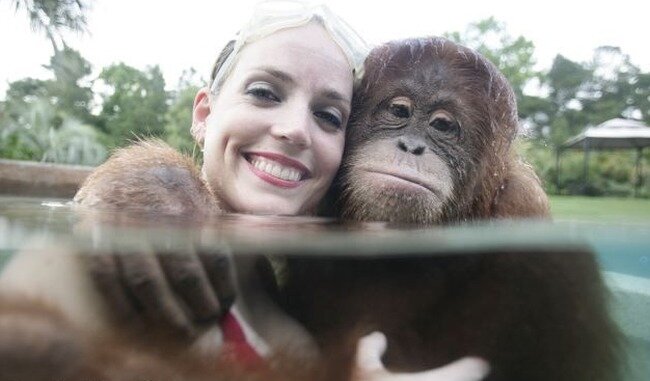
Karate Monkey? It sounds impossible, where it exists, must be a joke. How is it possible that he knows karate? It is possible, patient master of karate in Japan with a few secret ingredients he was able to train the common chimpanzees to learn a few floors of this noble sport. Training a monkey to not know how exactly but it lasted, the moves are really true. After extensive training, and monkey trainer relax with Japanese food and an occasional beer.

0 Shares
You May Also Like

Monkey Feeding Elephant

A monkey is any cercopithecoid or platyrrhine primate. All primates that are not prosimians or apes are monkeys. The 264 known extant monkey species represent two of the three groupings of simian primates. Monkeys are generally considered to be intelligent and, unlike apes, monkeys usually have tails.

Snow Leopard

The snow leopard is a moderately large cat native to the mountain ranges of Central Asia. The classification of this species has been subject to change and its exact taxonomic position will not be resolved until further studies are conducted.

Disabled Animals With Weird “Legs”

Many wild animals at least once in an accident, and exit or with some serious consequences ... In this case, our pets that even today modern science could not help. But with a little imagination and not ordinary, but somewhat humorous black and placed several artificial aids that look really strange and weird.

Alaskan Malamute Cute Puppies

The Alaskan Malamute is a generally large, wolf-like breed of domestic dog originally bred for use as an Alaskan sled dog. They are sometimes mistaken for a Siberian Husky, but in fact are quite different in many ways. Malamutes have a very quiet temperament and are often loyal to their owners.

Poison Dart Frogs

Poison dart frog is the common name of a group of frogs in the family Dendrobatidae which are native to Central and South America. Unlike most frogs, these species are active during the day and often exhibit brightly-colored bodies. Although all wild dendrobatids are at least somewhat toxic, levels of toxicity vary considerably from one species to the next and from one population to another. Many species are critically endangered.